
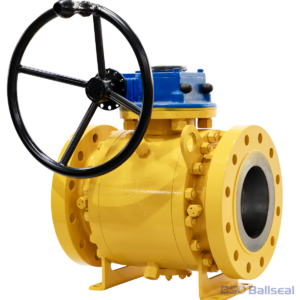
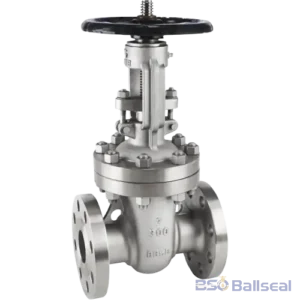
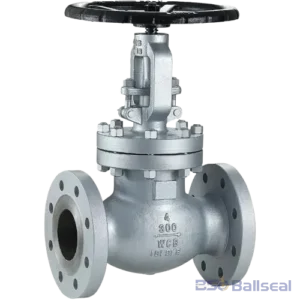
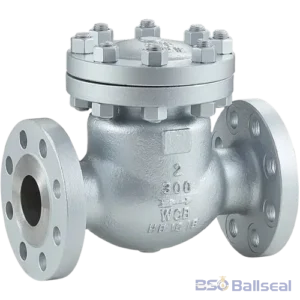
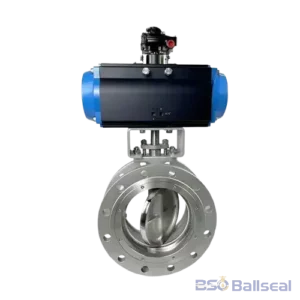
Mastering Torque Calculation and Selection for Pneumatic Ball Valve Actuators
In the world of industrial automation and fluid control, selecting the right actuator for a pneumatic ball valve is critical to ensuring optimal performance, safety, and longevity. A key parameter in this process is torque calculation. This guide will walk you through the essentials of torque calculation, material considerations, and how to select the right actuator for your pneumatic ball valve system.
Understanding Torque Requirements for Pneumatic Ball Valves
Torque is the rotational force required to operate a ball valve. When selecting an actuator, the primary goal is to ensure it can generate enough torque to overcome the valve’s resistance under all operating conditions. Factors influencing torque requirements include:
- Valve Size: Larger valves typically require higher torque.
- Pressure Class: Higher pressure ratings, such as Class 300 or Class 600, often result in increased torque demands.
- Seal Material: Different seal materials (PTFE, RPTFE, etc.) can affect friction and, consequently, torque.
- Operating Conditions: Extreme temperatures or media with high viscosity can increase torque requirements.
Technical Specifications: How to Calculate Torque
The basic formula for torque calculation considers the valve’s breakaway torque (the force needed to initiate movement), running torque (force required to keep the valve moving), and safety factor. The formula is:
Total Torque = Breakaway Torque × Safety Factor
For example, if a valve requires 100 Nm of breakaway torque and the safety factor is 1.5, the total torque needed is 150 Nm. Always refer to the valve manufacturer’s technical data for accurate breakaway and running torque values.
Torque Considerations for Double-Acting vs. Spring-Return Actuators
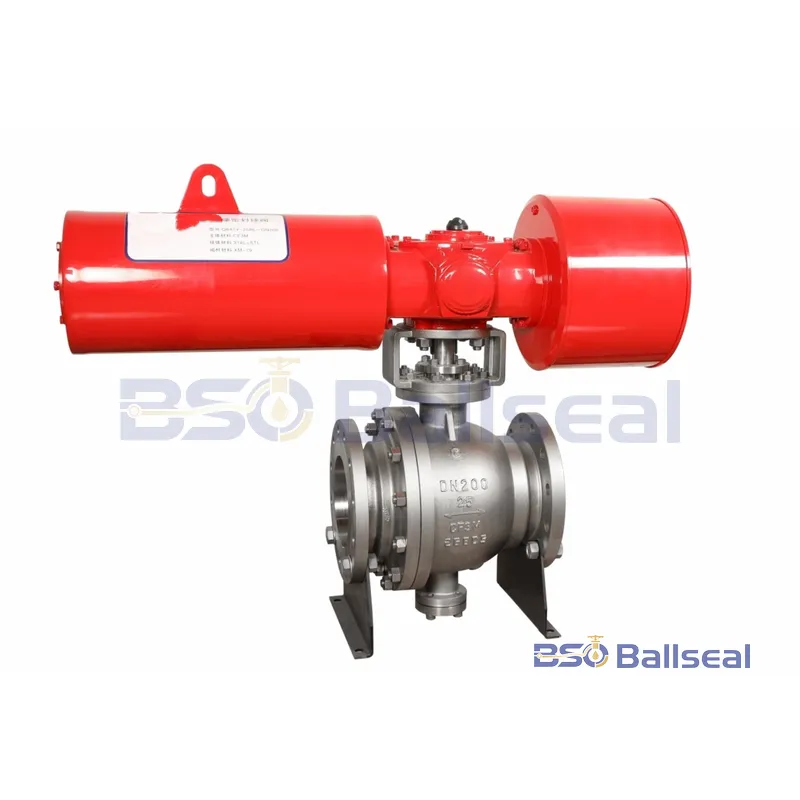
Double-acting actuators use air pressure for both opening and closing the valve, while spring-return actuators rely on a spring mechanism for one direction. Spring-return actuators typically require higher torque ratings due to the added resistance of the spring during operation.
Comparing CF8M vs WCB Materials for Pneumatic Ball Valves
Material selection plays a significant role in determining the valve’s performance and torque requirements. Let’s compare two commonly used materials:
- CF8M (316 Stainless Steel): Offers excellent corrosion resistance and is ideal for chemical, marine, and food-grade applications. Suitable for Class 150 to Class 600 pressure ratings.
- WCB (Carbon Steel): Known for its strength and cost-effectiveness. Suitable for less corrosive environments and high-pressure applications up to Class 2500.
Installation & Maintenance Guide
Proper installation and maintenance are essential for maximizing the lifespan and efficiency of pneumatic ball valve actuators. Follow these steps:
Installation Tips
- Ensure the actuator is properly aligned with the valve stem to prevent undue stress.
- Use high-quality mounting kits that comply with API 6D ball valves standards.
- Double-check air supply pressure to match the actuator’s specifications.
Maintenance Best Practices
- Regularly inspect seals and gaskets for wear and tear.
- Lubricate moving parts as per the manufacturer’s recommendations.
- Test the actuator periodically to ensure it delivers the required torque.
FAQ: Common Buyer Questions
What pressure classes are compatible with pneumatic ball valve actuators?
Pneumatic ball valve actuators are compatible with a wide range of pressure classes, from Class 150 to Class 2500. Always verify the actuator’s torque output against the valve’s pressure rating.
How do I choose between CF8M and WCB materials?
Choose CF8M for applications requiring high corrosion resistance, such as chemical processing. Opt for WCB for cost-effective solutions in non-corrosive environments.
What standards should I look for in industrial ball valves?
Ensure compliance with international standards like API 608, CE, and ISO for reliability and safety.
Conclusion: Why Choose BSO Ballseal?
When it comes to pneumatic ball valve actuators, precise torque calculation and material selection are critical. At BSO Ballseal, we specialize in manufacturing high-quality industrial valves that meet rigorous standards like API 6D and CE. With advanced production facilities and strict quality control, we ensure every valve and actuator delivers reliable performance under the toughest conditions.
Contact BSO Ballseal today to request a customized B2B quotation, material test certificates (MTC), or detailed technical drawings. Let us help you optimize your valve systems with confidence.