
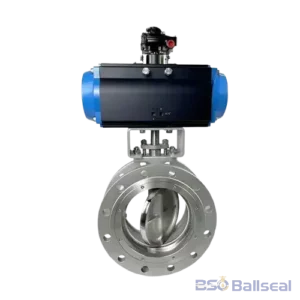
Troubleshooting Leaking Issues in High-Pressure WCB Ball Valves: A Complete Guide
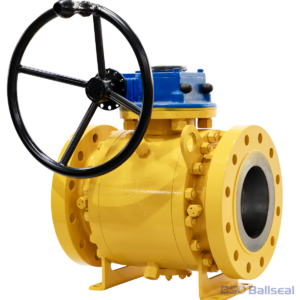
High-pressure WCB ball valves are a critical component in industrial pipeline systems, especially in applications involving oil & gas, petrochemicals, and power generation. However, even the most robust valves can experience leaking issues under extreme conditions. Identifying and resolving these problems promptly can save your project from costly downtime and safety risks.
Understanding the Common Causes of Leakage
Leaking in high-pressure WCB (Wrought Carbon Steel) ball valves often arises from a combination of mechanical wear, improper installation, or material incompatibility. Below, we break down the most common causes:
- Seat wear: Continuous exposure to abrasive or high-velocity fluids can erode the valve seat, leading to insufficient sealing.
- Improper torque: Over-tightening or under-tightening the valve can cause damage to the sealing components.
- Thermal expansion: In high-temperature environments, thermal stress can lead to material deformation, compromising the seal.
- Corrosion: WCB material, while durable, is susceptible to corrosion in harsh chemical environments if not adequately coated or lined.
Technical Specifications of High-Pressure WCB Ball Valves
High-pressure WCB ball valves are typically used in systems with pressure classes ranging from Class 150 to 2500LB. The following are the key technical parameters to consider when troubleshooting:
- Pressure class: Ensure the valve is rated for the system’s operating pressure. For instance, a Class 300 valve is designed for a maximum pressure of 740 psi at 100°F.
- Temperature range: WCB ball valves are generally suited for temperatures between -20°F to 800°F, depending on the seat material.
- Standards compliance: Verify that the valve conforms to international standards like API 6D, API 608, or CE certification, ensuring reliability and compatibility with your system.
Comparing CF8M vs WCB: Which Material Performs Better?
When troubleshooting leaks, it’s essential to evaluate whether WCB is the right material for your application. Here’s a quick comparison:
- WCB (Carbon Steel): Ideal for high-pressure applications due to its strength and affordability. However, it lacks the corrosion resistance of stainless steel.
- CF8M (316 Stainless Steel): Offers superior resistance to corrosion and chemical attack, making it ideal for corrosive environments. However, it is more expensive than WCB.
For high-pressure systems in non-corrosive environments, WCB remains a cost-effective and reliable choice.
Installation & Maintenance Guide
To prevent leaks and ensure optimal performance, follow these best practices for installation and maintenance:
Installation Tips:
- Inspect the valve and pipeline for debris before installation.
- Ensure proper alignment of the valve with the pipeline to avoid undue stress.
- Use the correct torque specifications when tightening bolts to prevent damage to the sealing components.
Maintenance Checklist:
- Perform regular inspections for signs of wear or corrosion.
- Lubricate moving components periodically to reduce friction and wear.
- Replace damaged seats, seals, or gaskets promptly to avoid leaks.
FAQ: Common Questions About WCB Ball Valves
1. What is the maximum pressure rating for WCB ball valves?
WCB ball valves are available in pressure classes up to 2500LB, suitable for high-pressure applications. Always verify the specific rating for your valve based on the manufacturer’s datasheet.
2. Can WCB valves be used in corrosive environments?
While WCB offers excellent strength, it is not inherently corrosion-resistant. For corrosive applications, consider valves made of or lined with stainless steel or other resistant materials.
3. How do I ensure my valve complies with international standards?
Look for certifications such as API 6D, API 608, or CE marking. BSO Ballseal ensures that all its valves meet or exceed these standards, guaranteeing reliability and safety.
Conclusion: Trust BSO Ballseal for Your Valve Needs
When it comes to high-pressure WCB ball valves, precision and reliability are non-negotiable. At BSO Ballseal, we leverage state-of-the-art manufacturing processes, rigorous quality control, and compliance with international standards to deliver valves that perform flawlessly even in the most demanding environments.
Contact us today to request a customized B2B quotation, material test certificates (MTCs), or detailed technical drawings. Let BSO Ballseal be your trusted partner in industrial valve solutions.