
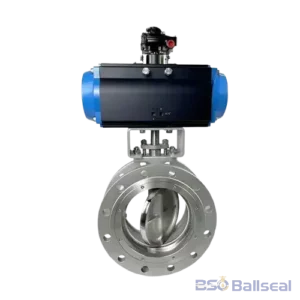
BSO Ballseal Technical Guide: Comparing Grain Structure
In the industrial valve sector, selecting the right body material is just as critical as choosing the valve type itself. When dealing with high-pressure pipelines, oil refineries, and natural gas transmission, engineers frequently face a critical decision:
Should we use Forged Steel or Cast Steel valves?
While both materials offer excellent mechanical properties, their manufacturing processes result in distinct performance characteristics. Here is a comprehensive technical guide to help you make the right choice for your project.
1. The Manufacturing Difference: Solid Block vs. Molten Metal
The fundamental difference lies in how the metal is formed:
- Cast Steel Valves (e.g., ASTM A216 WCB): These are created by pouring molten liquid steel into a mold. This process allows for complex internal shapes and extremely large valve sizes. However, the cooling process can occasionally leave microscopic internal defects like porosity or blowholes.
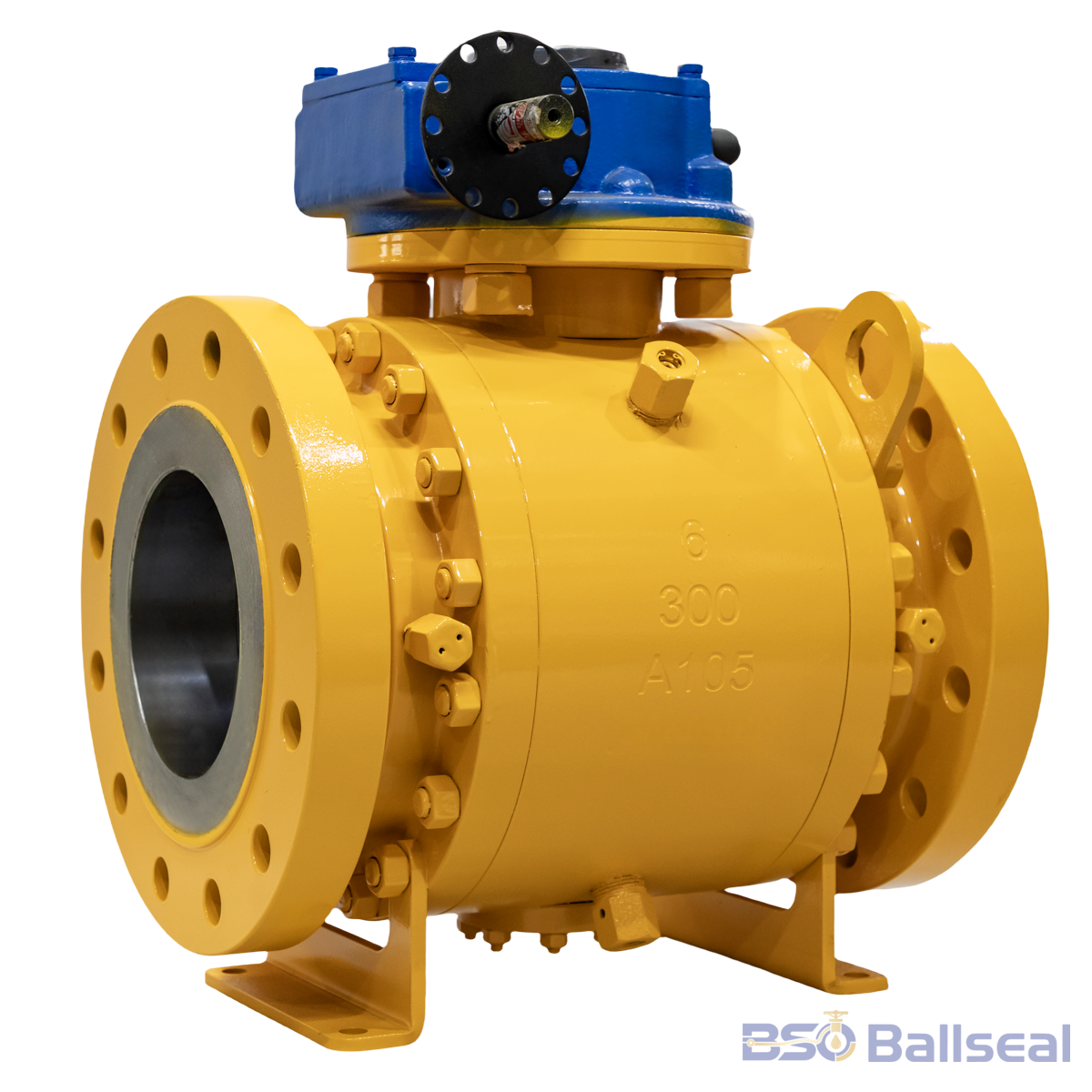
- Forged Steel Valves (e.g., ASTM A105, F316): These are manufactured using immense mechanical pressure and thermal energy to shape solid steel blocks. This intense forging process eliminates internal voids, creating a highly dense and uniform grain structure.
2. Pressure and Durability Comparison
When it comes to severe service conditions, the internal structure of the metal matters significantly.
- High-Pressure Resilience: Because forged steel lacks internal porosity, it offers vastly superior mechanical strength and fatigue resistance. Forged valves are the undisputed choice for extreme pressure ratings (Class 900, 1500, 2500) and severe thermal shocks.
- Wall Thickness: Forged valves can achieve higher pressure ratings with relatively thinner wall profiles, making them highly efficient for critical pipeline connections.
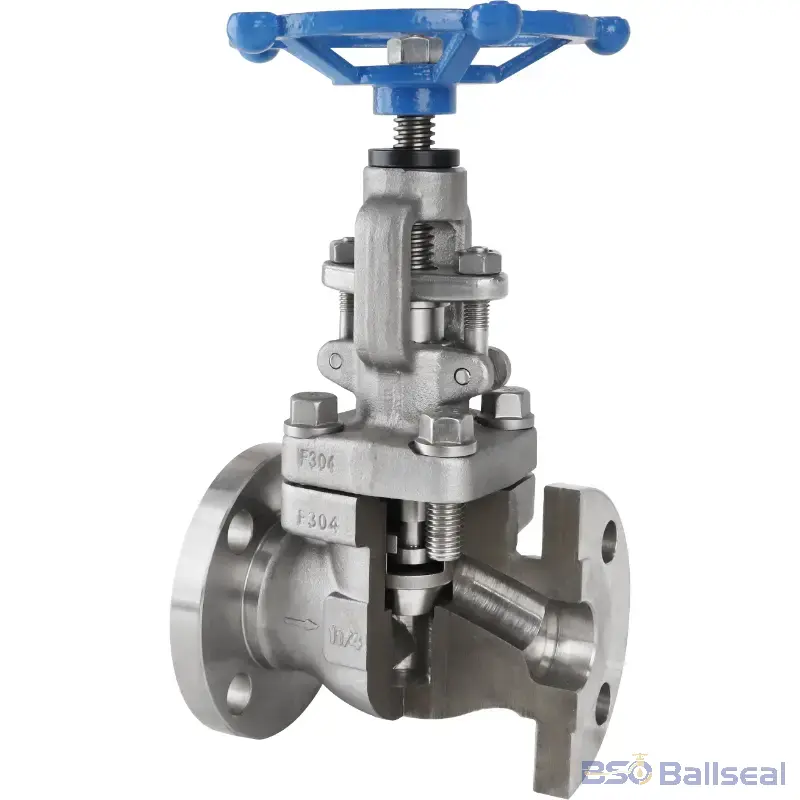
The dense grain structure of forged steel ensures zero-leakage performance in high-pressure applications.
3. Size and Cost Constraints
If forged steel is structurally superior, why isn’t it used for every valve? The answer lies in manufacturing constraints:
- Size Limits: Forging requires massive industrial presses. Therefore, forged steel valves are typically limited to smaller sizes (usually 2 inches to 8 inches). For large-diameter pipelines, cast steel remains the only practical solution.
- Production Costs: The machining and forging processes make forged steel valves significantly more expensive to produce than cast equivalents of the same size.
4. How to Make the Final Decision?
Here is a quick rule of thumb for procurement engineers:
Choose Cast Steel (WCB/LCC) When:
- Your pipeline requires large-diameter valves (over 8 inches).
- The system operates under standard pressure classes (Class 150 to Class 600).
- Budget optimization is a primary requirement without compromising standard safety.
Choose Forged Steel (A105/F304/F316) When:
- The pipeline handles highly volatile, toxic, or high-pressure media (Class 600 and above).
- Zero-leakage and maximum structural integrity are non-negotiable.
- The required valve size is relatively small, where the cost difference is justified by performance.
Partner with a Reliable Valve Manufacturer
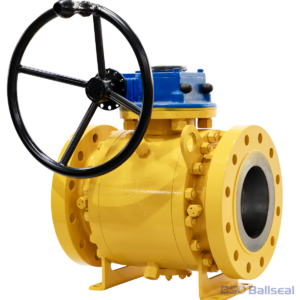
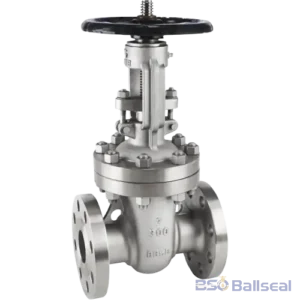
At BSO Ballseal, we understand that every pipeline project has unique requirements. Whether you need API 6D compliant Trunnion Mounted Forged Ball Valves for critical gas lines or heavy-duty Cast Steel Gate Valves for water treatment, our engineering team is ready to assist.
Ready to specify valves for your next project?
Contact Us for Technical Datasheets