
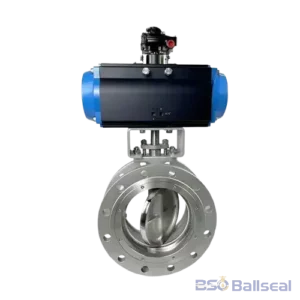
Introduction to Class 300 Flanged Gate Valves
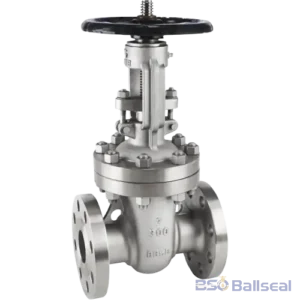
Class 300 flanged gate valves are a cornerstone in industrial pipeline systems, designed to handle moderate to high-pressure applications while ensuring reliable flow control. These valves, compliant with API 600 standards, are widely used in industries ranging from petrochemical plants to power generation facilities. In this article, we will delve into the pressure and temperature limits of Class 300 gate valves, material comparisons, and best practices for installation and maintenance.
For those seeking high-performance solutions, Class 300 CF8M Stainless Steel Gate Valve stands out as an industry benchmark, offering superior durability and compliance with API 600 standards.
Pressure and Temperature Limits of Class 300 Gate Valves
Class 300 gate valves are engineered to handle pressures up to class 300 at 100°F, as per ANSI/ASME B16.34 standards. However, their performance varies significantly with temperature and material selection. For instance:
- CF8M Stainless Steel: Offers excellent corrosion resistance and can operate at temperatures up to 1000°F, making it ideal for chemical processing and marine environments.
- WCB Carbon Steel: Suitable for temperatures up to 800°F but provides limited corrosion resistance, often used in water treatment and oil refining applications.
To explore a detailed breakdown of how pressure limits change with temperature, visit our comprehensive guide on Class 300 Gate Valve Pressure Limits.

Installation & Maintenance Guide
Proper installation and maintenance are critical to maximizing the lifespan and performance of Class 300 gate valves. Here are some expert tips:
- Installation: Ensure the valve is installed in the correct orientation, with consideration for flow direction as indicated by the arrow on the valve body. Tighten flange bolts evenly to avoid stress concentration.
- Lubrication: Regularly lubricate the stem threads and packing gland to prevent corrosion and ensure smooth operation.
- Inspection: Conduct routine inspections for signs of wear, corrosion, or leakage. Replace damaged components promptly to avoid operational disruptions.
- Cleaning: Periodically clean the valve internals to prevent debris buildup, especially in applications involving viscous or particulate-laden fluids.
FAQ: Common Buyer Questions
- What is the difference between CF8M and WCB materials? CF8M is a stainless steel alloy with superior corrosion resistance, while WCB is a carbon steel material suitable for less corrosive environments but offers higher mechanical strength.
- Are BSO Ballseal valves compliant with international standards? Yes, all BSO Ballseal gate valves meet API 600, API 6D, and CE certification standards, ensuring global compatibility.
- What are the typical applications for Class 300 gate valves? These valves are commonly used in oil and gas pipelines, steam service, and chemical processing systems due to their ability to handle high pressure and temperature conditions.
- Can BSO Ballseal provide material test certificates (MTC)? Absolutely! BSO Ballseal provides MTCs, technical drawings, and third-party inspection reports upon request.
Why Choose BSO Ballseal?
With over a decade of manufacturing excellence, BSO Ballseal offers robust solutions tailored to the needs of EPC contractors and pipeline engineers. Our Class 300 flanged gate valves are rigorously tested to ensure compliance with API 600 and API 6D standards. As a trusted source factory in China, we guarantee competitive lead times, meticulous quality control, and unparalleled customer support.
Ready to optimize your pipeline systems? Contact BSO Ballseal today to request a custom quote, material test certificate (MTC), or detailed technical drawings tailored to your project needs.