
Understanding OS&Y Rising Stem vs Non-Rising Stem Gate Valves
Gate valves are essential components in pipeline systems, often employed to control flow. Among the various types, OS&Y rising stem and non-rising stem gate valves are frequently compared due to their distinct mechanics and applications. As EPC contractors and pipeline engineers, understanding these differences is crucial for selecting the appropriate valve for your projects.
Technical Specifications and Material Comparisons
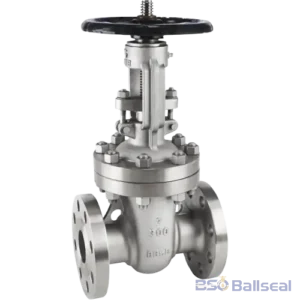
OS&Y rising stem gate valves are characterized by a stem that moves up and down with the gate, providing a visible indication of the valve position. This is particularly beneficial for high-pressure applications like Class 300LB and above, ensuring precise control and easy maintenance. In contrast, non-rising stem valves have a thread inside the valve body, which keeps the stem at a constant height, making them ideal for space-constrained environments.
Material selection plays a pivotal role in valve performance. CF8M stainless steel offers superior corrosion resistance compared to WCB carbon steel, making it suitable for harsh environments. For API 600 compliance, both materials meet stringent quality and performance standards, but CF8M is often preferred for its durability in corrosive applications.

Installation & Maintenance Guide
Proper installation and maintenance are pivotal for optimal valve performance. For OS&Y valves, ensure that the stem is correctly aligned and regularly lubricate the threads to prevent corrosion. Non-rising stem valves require less headroom, but it’s essential to monitor the internal threads for wear. Regular inspections and adherence to API 608 guidelines will extend the valve lifespan significantly.
FAQ
- What pressure classes are available? Both OS&Y and non-rising stem valves are available in Class 150, 300LB, and up to 2500LB for various pressure requirements.
- Which material should I choose? For corrosive environments, CF8M stainless steel is recommended over WCB carbon steel.
- Are these valves API certified? Yes, all BSO Ballseal valves comply with API 600 standards, ensuring quality and reliability.
Conclusion
Choosing between OS&Y rising stem and non-rising stem gate valves depends on specific application needs. Whether it’s visibility, space constraints, or environmental factors, BSO Ballseal’s range of API 600 compliant valves offers solutions tailored to your requirements. As a leading Chinese manufacturer, BSO Ballseal guarantees rigorous quality control, timely delivery, and competitive pricing. Explore our 2″ Class 300 CF8M Stainless Steel Gate Valve for your next project, and contact us today for exclusive B2B quotes, MTC material sheets, or detailed technical drawings.