
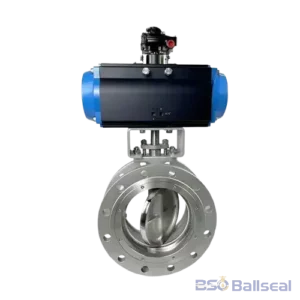
Understanding 2 Inch Industrial Gate Valve Flow Characteristics
When selecting a 2 inch industrial gate valve, understanding its flow characteristics and sizing parameters is critical for ensuring optimal performance in your pipeline system. Gate valves, especially those adhering to API 600 standards, are designed for precise control and long-term reliability in industrial applications, such as petrochemical processing, power generation, and water treatment plants.
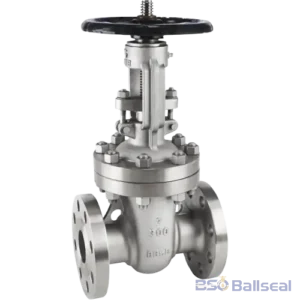
BSO Ballseal’s 2 inch Class 300 CF8M stainless steel gate valve stands out as a premium solution for demanding environments. With API 600 compliance, flanged connections, and OS&Y design, this valve offers robust performance and exceptional sealing capabilities against high-pressure media.
Material Selection: CF8M vs WCB
One of the key considerations when choosing a gate valve is its material. For industrial applications, CF8M (316 stainless steel) and WCB (cast carbon steel) are two common options:
- CF8M: With excellent corrosion resistance, CF8M is ideal for handling aggressive chemicals, seawater, and high-temperature media. It’s particularly suitable for offshore and chemical industries.
- WCB: Known for its strength and affordability, WCB is often used in less corrosive environments, such as water distribution systems or oil pipelines.
offers both options with strict adherence to international standards, including API 6D, API 608, and CE certification, ensuring superior quality and long-lasting performance.
Pressure Ratings and Sizing Standards
Gate valve pressure ratings are classified based on ANSI standards, with common classes including Class 150, 300LB, and 2500LB. For a 2-inch API 600 gate valve, accurate sizing ensures compatibility with pipeline flow requirements. A detailed breakdown of sizing considerations is covered in our gate valve sizing guide.

Installation & Maintenance Guide
Proper installation and maintenance are essential for the longevity of gate valves. Here are some key guidelines:
- Installation: Ensure that the valve is aligned with the pipeline and flanges are securely bolted. Verify that the valve’s pressure class matches the system’s operating pressure.
- Maintenance: Regularly inspect the valve for wear, corrosion, or debris buildup. Lubricate the stem and check the gland packing for leaks to maintain optimal sealing.
- Testing: Conduct periodic pressure and leak tests to ensure the valve performs within its specified parameters.
provides detailed maintenance manuals and technical support to assist buyers with proper upkeep.
FAQ: Common Buyer Questions
Q: What is the maximum operating temperature for CF8M gate valves?
A: CF8M gate valves can typically withstand temperatures up to 800°F (427°C), making them suitable for high-temperature applications.
Q: Does BSO Ballseal offer customized gate valves?
A: Yes, we specialize in custom solutions tailored to specific industrial needs, including unique sizes, pressure classes, and end connections.
Q: How can I verify the quality of BSO Ballseal valves?
A: Each valve comes with a Material Test Certificate (MTC) and undergoes rigorous quality control processes, including hydrostatic testing and dimensional inspections.
Request Your Quote Today
is your trusted partner for high-performance API 600 gate valves. With advanced manufacturing capabilities, stringent quality control, and guaranteed lead times, we deliver solutions that exceed industry standards. Contact us today to request a B2B quotation, MTC documentation, or technical drawings for your project needs. Experience the BSO Ballseal difference!