
Class 300 vs Class 150 Flanged Ball Valve Specifications: Key Differences and Applications
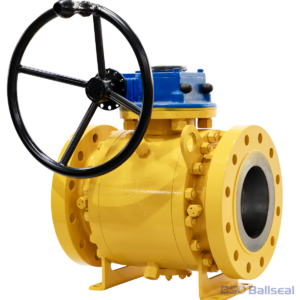
When selecting industrial flanged ball valves for your pipeline systems, understanding the differences between Class 300 and Class 150 pressure ratings is critical. These classifications, defined by the ASME B16.5 standard, directly impact the valve’s design, pressure-handling capabilities, and suitability for specific applications. In this comprehensive guide, we will explore the technical specifications, material options, and real-world applications of Class 300 and Class 150 flanged ball valves, helping you make informed procurement decisions.
Technical Specifications: Class 300 vs Class 150
The primary distinction between Class 300 and Class 150 flanged ball valves lies in their pressure and temperature handling capabilities. These ratings are derived from the maximum allowable working pressure (MAWP) at a standardized temperature, typically 100°F (38°C). Below are the key specifications:
- Class 150: Suitable for lower-pressure applications, this class can handle up to 285 psi at 100°F. At elevated temperatures, the pressure tolerance decreases significantly.
- Class 300: Designed for medium-pressure applications, Class 300 valves can withstand up to 740 psi at 100°F, offering greater versatility in demanding environments.
Both classes are available in a variety of end connections, including raised face (RF), ring-type joint (RTJ), and flat face (FF) flanges. Additionally, compliance with international standards such as API 6D ball valves and API 608 ensures reliability and global compatibility.
Comparing CF8M vs WCB Materials for Flanged Ball Valves
The choice of material is another critical factor when selecting Class 300 or Class 150 flanged ball valves. Two of the most commonly used materials are CF8M (316 stainless steel) and WCB (carbon steel). Here’s a comparison:
- CF8M (316 Stainless Steel): Known for its excellent corrosion resistance, CF8M is ideal for chemical processing, seawater applications, and highly corrosive environments. It can handle a wide temperature range, making it versatile for Class 150 and Class 300 valves.
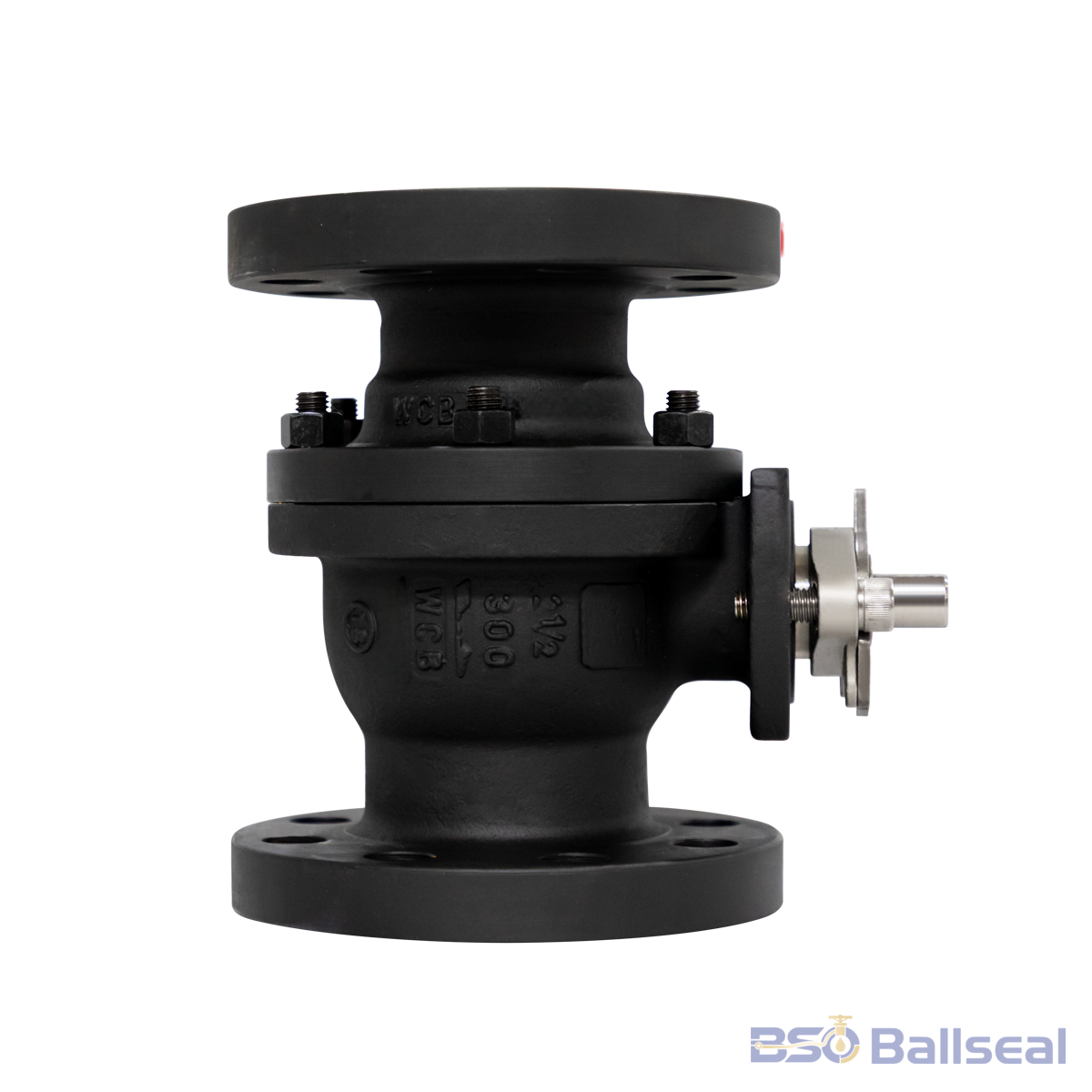
- WCB (Carbon Steel): Preferred for its high strength and cost-effectiveness, WCB is suitable for applications involving non-corrosive media. However, it lacks the corrosion resistance of stainless steel and is not recommended for saline or acidic conditions.
Applications and Industry Use Cases
Class 150 and Class 300 flanged ball valves serve distinct roles in various industries. Here’s an overview of typical use cases:
- Class 150: Commonly used in low-pressure water distribution, HVAC systems, and general-purpose industrial applications.
- Class 300: Frequently employed in oil and gas pipelines, petrochemical processing, and power generation, where higher pressure and temperature resistance are required.
For example, a Class 300 flanged ball valve with CF8M material is often the go-to choice for offshore platforms handling corrosive seawater, while a WCB Class 150 valve is sufficient for chilled water distribution in commercial buildings.
Installation & Maintenance Guide
Proper installation and maintenance ensure the longevity and optimal performance of Class 150 and Class 300 flanged ball valves. Follow these guidelines:
Installation Tips:
- Inspect the valve and flange surfaces for any dirt, debris, or damage before installation.
- Align the flanges accurately to avoid unnecessary stress on the valve body.
- Use appropriate gaskets and torque the flange bolts evenly in a crisscross pattern.
Maintenance Best Practices:
- Conduct regular visual inspections for signs of wear, corrosion, or leakage.
- Lubricate the valve stem and ball periodically to ensure smooth operation.
- Replace worn-out gaskets and seals promptly to prevent system failures.
FAQ: Common Buyer Questions
Here are answers to some frequently asked questions about Class 300 and Class 150 flanged ball valves:
1. Can I use a Class 150 valve in a Class 300 system?
No, Class 150 valves are not designed to handle the higher pressure levels of a Class 300 system. Always match the valve rating with the system requirements.
2. What is the difference between API 6D and API 608 standards?
API 6D focuses on pipeline valves, including ball, gate, and check valves, whereas API 608 specifically addresses ball valves for general industrial use. Both standards ensure high-quality performance but cater to different applications.
3. Can BSO Ballseal provide customized flanged ball valves?
Yes, BSO Ballseal specializes in manufacturing tailor-made flanged ball valves to meet specific project requirements, including compliance with international standards and unique material configurations.
Conclusion
Understanding the differences between Class 300 and Class 150 flanged ball valves is crucial for making the right choice in industrial applications. Whether you need a high-pressure solution for demanding environments or a cost-effective option for general-purpose use, BSO Ballseal offers a wide range of premium-quality ball valves to suit your needs. With strict quality control, fast lead times, and adherence to international standards, BSO Ballseal is your trusted partner in valve manufacturing.
Contact us today to request a customized B2B quotation, material test certificates (MTC), or detailed technical drawings for your next project!