
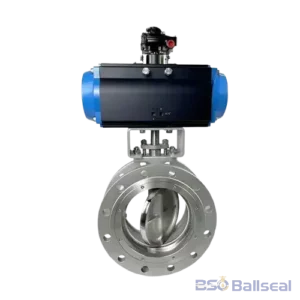
Top Signs of Gear Failure in Industrial Pipeline Ball Valves
Industrial pipeline ball valves are critical components in fluid control systems, ensuring smooth operations in sectors like oil & gas, petrochemicals, and water treatment. However, gear failure in these valves can lead to severe operational disruptions and increased maintenance costs. Understanding the signs of gear failure can help engineers and procurement managers take timely action to prevent costly downtime. In this article, we’ll explore the most common indicators of gear failure, delve into technical specifications, and provide actionable maintenance tips to ensure the longevity of your ball valves.
Key Signs of Gear Failure in Industrial Ball Valves
Detecting gear failure early is essential to maintain the integrity of your pipeline system. Here are the top warning signs:
- Increased Operating Torque: If it takes more force than usual to operate the valve, this could indicate gear misalignment or wear.
- Unusual Noise: Grinding, clicking, or other abnormal sounds during operation often signal damaged gear teeth.
- Irregular Valve Movement: Jerky or inconsistent valve actuation can result from internal gear binding or uneven wear.
- Visible Corrosion: External rust or pitting on the gearbox housing may point to internal gear degradation due to environmental exposure.
- Leakage or Pressure Loss: A gear failure can prevent the valve from fully closing, leading to leaks and compromised pressure levels.
Technical Specifications to Consider
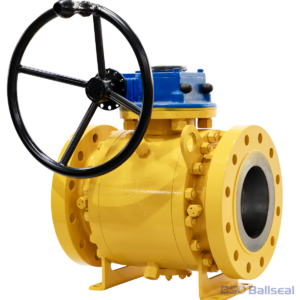
When selecting or maintaining ball valves, understanding technical parameters is essential. For instance, industrial ball valves from BSO Ballseal are designed to meet rigorous standards like API 6D ball valves and API 608, ensuring top-tier performance in demanding applications. Key specifications include:
- Pressure Classes: Available in Class 150, Class 300, and up to 2500LB for high-pressure applications.
- Material Options: CF8M (316 stainless steel) for superior corrosion resistance, or WCB (cast carbon steel) for cost-effective durability in standard applications.
- Temperature Ratings: Designed to operate reliably in temperatures ranging from -196°C to 600°C, depending on the material and seat configuration.
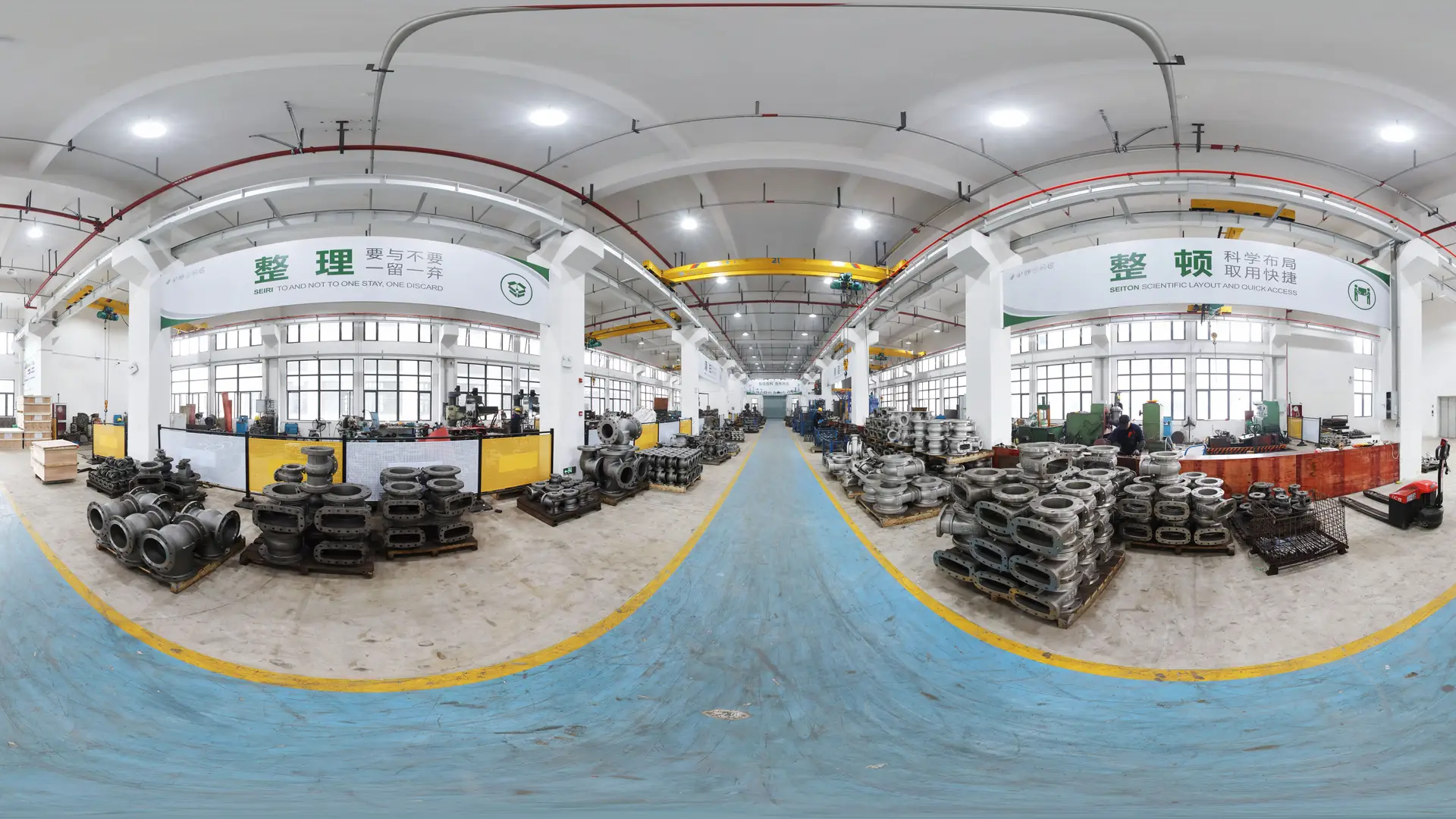
Comparing CF8M vs WCB for Gearbox Durability
The choice of materials can significantly impact the durability of a ball valve’s gearbox. Let’s compare two common materials:
CF8M (316 Stainless Steel)
- Advantages: Exceptional resistance to corrosion, making it ideal for chemical and marine environments.
- Applications: Suitable for handling corrosive media, such as acids or seawater.
WCB (Cast Carbon Steel)
- Advantages: Economical and highly durable for general industrial use.
- Applications: Best suited for non-corrosive fluids and standard pipeline systems.
At BSO Ballseal, we offer both CF8M and WCB options, ensuring that our valves meet the specific needs of your application, whether it’s high-pressure steam or corrosive fluids.
Installation & Maintenance Guide
Proper installation and regular maintenance are critical to preventing gear failure. Follow these best practices:
Installation Tips
- Ensure the valve and gearbox are properly aligned to prevent stress on internal components.
- Use appropriate gaskets and bolting to maintain a leak-free connection.
- Verify that the valve is compatible with the system’s pressure classes and temperature ratings.
Maintenance Checklist
- Lubricate the gearbox periodically to minimize wear and tear.
- Inspect the gear teeth for signs of wear, corrosion, or misalignment.
- Perform operational checks to ensure smooth valve actuation.
- Replace damaged components promptly to avoid further issues.
FAQ: Common Questions About Gear Failure
What causes gear failure in ball valves?
Common causes include improper installation, lack of lubrication, exposure to corrosive environments, and overloading beyond the valve’s rated capacity.
How often should I inspect the gearbox?
Routine inspections should be conducted every 6-12 months, depending on the operating conditions and frequency of use.
Can gear failure be repaired, or should the entire valve be replaced?
In many cases, replacing the gearbox or specific components is sufficient. However, if the valve body or other critical parts are compromised, a full replacement may be necessary.
Conclusion
Identifying the early signs of gear failure in industrial pipeline ball valves can save your operation from costly downtime and repairs. By choosing high-quality valves from BSO Ballseal, you benefit from precision engineering, robust materials, and compliance with international standards like API 6D and CE. Our valves are designed to withstand the toughest industrial conditions, ensuring reliable performance when it matters most.
Looking to optimize your pipeline systems? Contact BSO Ballseal today to request a customized B2B quotation, MTC (Material Test Certificate), or detailed technical drawings. Trust us to be your reliable partner in industrial valve solutions!