
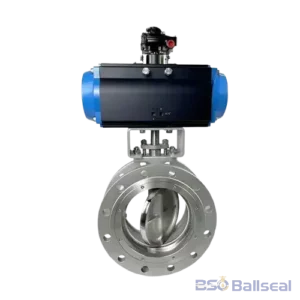
Difference Between API 6D and API 608 Trunnion Mounted Ball Valves: A Comprehensive Guide
When selecting industrial ball valves for piping systems, understanding the differences between API 6D and API 608 standards is crucial. Both standards define critical performance and design characteristics, but they cater to distinct applications and industries. In this article, we will break down the technical distinctions between these two standards, focusing on trunnion mounted ball valves, their material options, and their suitability for various applications.
Technical Specifications
API 6D and API 608 are internationally recognized standards for ball valves, but they differ in scope and application. Here’s a detailed comparison:
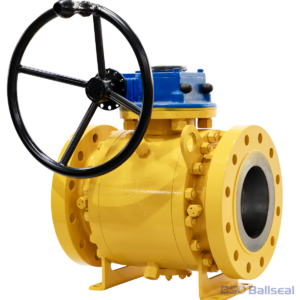
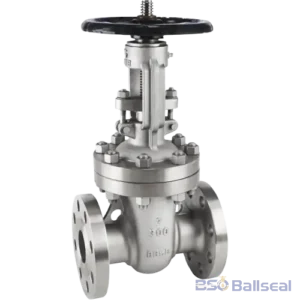
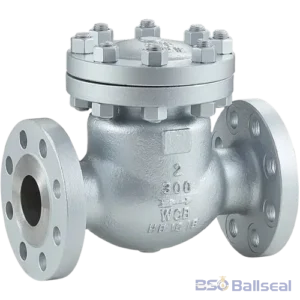
- API 6D: This standard primarily applies to pipeline valves used in the oil and gas industry. It covers ball, check, and gate valves and emphasizes features like full bore designs, double block and bleed capabilities, and high-pressure ratings (e.g., Class 150, 300LB, 600LB, and beyond).
- API 608: This standard focuses on ball valves for industrial and general-purpose applications. It typically covers floating and trunnion mounted designs but does not require the same stringent testing and features as API 6D. Common pressure ratings include Class 150 and 300LB.
Key Differences
The major differences between API 6D and API 608 trunnion mounted ball valves lie in their design, testing, and intended usage:
- Design: API 6D valves are designed for critical applications with high-pressure ratings and corrosion resistance, while API 608 valves focus on versatility and cost-efficiency.
- Testing: API 6D requires more rigorous testing, including hydrostatic and pneumatic tests. API 608 testing standards are less stringent.
- Applications: API 6D valves are ideal for pipelines in the oil and gas sector, whereas API 608 valves are suited for general industrial applications such as chemical processing and water treatment.
Comparing CF8M vs WCB Material Options
Material selection plays a vital role in valve performance and longevity. Two commonly used materials in trunnion mounted ball valves are CF8M (stainless steel) and WCB (cast carbon steel). Here’s how they compare:
- CF8M: Known for its excellent corrosion resistance and high-temperature tolerance, CF8M is ideal for harsh environments, including offshore and chemical applications.
- WCB: A cost-effective option, WCB offers good mechanical strength but lacks the corrosion resistance of stainless steel. It’s suitable for less aggressive media and moderate temperatures.
Installation & Maintenance Guide
Proper installation and maintenance are critical for ensuring the longevity and optimal performance of trunnion mounted ball valves. Follow these guidelines:
- Installation: Ensure the valve is installed with the correct orientation and adequate support for the pipeline. Use proper flange bolts and gaskets to prevent leakage.
- Maintenance: Regularly inspect seals, bearings, and trunnion components for wear and tear. Lubricate moving parts and replace damaged components promptly.
FAQ
What are the typical pressure ratings for API 6D trunnion mounted ball valves?
API 6D valves are designed for high-pressure applications and typically range from Class 150 to 2500LB.
Can API 608 valves be used in oil and gas pipelines?
While API 608 valves are versatile, they lack the rigorous testing and features required for critical oil and gas pipeline applications. For such environments, API 6D ball valves are recommended.
Why choose CF8M over WCB for valve materials?
CF8M provides superior corrosion resistance and is ideal for aggressive media and high-temperature environments, whereas WCB is better suited for cost-sensitive applications with less demanding conditions.
Conclusion
Understanding the differences between API 6D and API 608 standards is essential for selecting the right valve for your application. Whether you need high-performance valves for critical pipelines or versatile solutions for general industrial use, BSO Ballseal offers a comprehensive range of trunnion mounted ball valves manufactured to stringent quality standards. With our expertise as a leading Chinese source factory, we guarantee exceptional quality, competitive pricing, and fast lead times.
Contact BSO Ballseal today to request a customized B2B quotation, material test certificates (MTC), or detailed technical drawings for your next project. Let us help you find the perfect solution for your piping systems.
”