
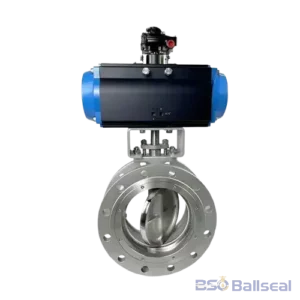
How to Choose CF8M Stainless Steel Ball Valves for Corrosive Environments
Ball valves are critical components in industrial piping systems, especially when dealing with corrosive environments. Among the variety of materials available, CF8M stainless steel stands out due to its excellent resistance to chemical corrosion and high-temperature applications. This article will guide you through the essential factors to consider when selecting CF8M stainless steel ball valves for demanding environments, ensuring optimal performance and longevity.
Understanding CF8M Stainless Steel
CF8M is an austenitic stainless steel material equivalent to AISI 316. It contains approximately 18% chromium, 8% nickel, and 2% molybdenum, which provide superior resistance to pitting and crevice corrosion. This makes CF8M particularly suitable for applications involving seawater, acids, and other aggressive chemicals.
Technical Specifications
When selecting CF8M stainless steel ball valves, it’s crucial to consider the following technical specifications:
- Pressure Rating: Ensure the valve meets your system’s pressure requirements, such as Class 150, Class 300, or Class 600.
- Temperature Range: CF8M valves typically operate within a range of -29°C to 250°C, depending on the sealing materials.
- Standards Compliance: Look for valves certified under API 6D ball valves, API 608, and CE standards to guarantee reliability and safety.
- End Connections: Common types include flanged, threaded, and welded ends, depending on your piping system configuration.
Comparing CF8M vs WCB Materials
While CF8M is ideal for corrosive environments, WCB (carbon steel) is often chosen for less aggressive applications due to its cost-effectiveness. Here’s a quick comparison:
- Corrosion Resistance: CF8M excels in resisting chemical attacks, whereas WCB is prone to rust in humid or corrosive conditions.
- Temperature Tolerance: Both materials handle high temperatures, but CF8M offers better performance in extreme conditions.
- Cost: WCB is more economical but may require frequent maintenance or replacement in harsh environments.
Installation & Maintenance Guide
Proper installation and maintenance are essential to ensure the longevity and efficiency of CF8M stainless steel ball valves:
- Installation: Align the valve with the pipeline correctly to avoid stress on the connections. Tighten bolts evenly to prevent leaks.
- Maintenance: Regularly inspect the valve for wear and tear. Clean the internal components and replace seals when necessary to maintain optimal performance.
- Storage: Store valves in a dry, clean environment to prevent contamination or damage before installation.
FAQ
Here are some common questions buyers ask about CF8M stainless steel ball valves:
- Q1: Can CF8M ball valves handle high-pressure systems?
Yes, CF8M ball valves are available in pressure ratings up to Class 300 ball valves or higher, depending on the design. - Q2: Are CF8M valves suitable for food-grade applications?
Yes, CF8M material complies with hygiene standards required for food and beverage processing. - Q3: How do I select the right size for my pipeline?
Choose a valve size that matches the nominal diameter of your pipeline to ensure seamless integration.
Why Choose BSO Ballseal?
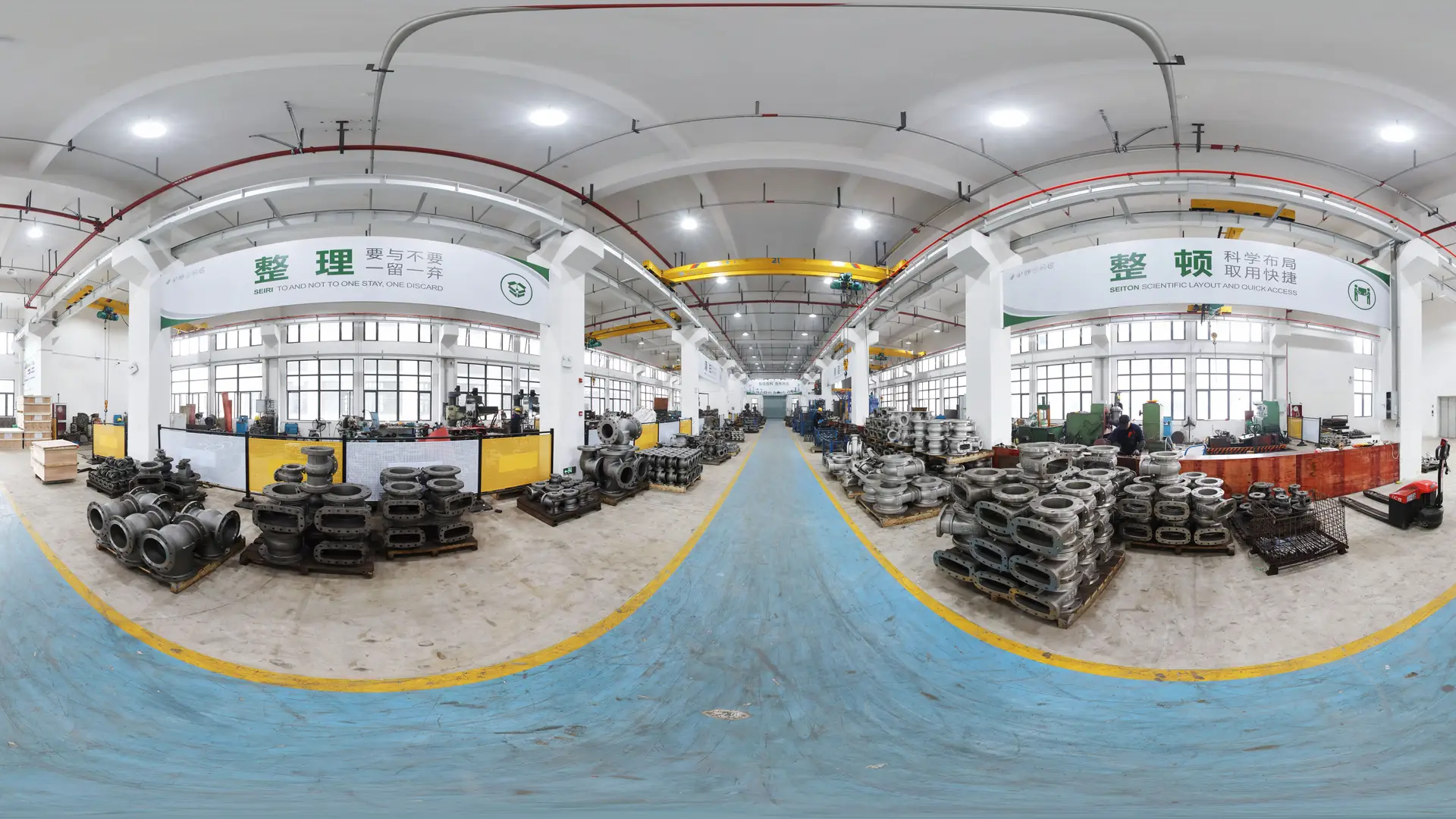
BSO Ballseal is a leading Chinese manufacturer of industrial valves, specializing in CF8M stainless steel ball valves. Our products are rigorously tested to meet international standards such as API 6D, API 608, and CE. With advanced manufacturing facilities and strict quality control processes, we guarantee reliable performance and timely delivery for your projects. Whether you’re sourcing for EPC contracts or specialized piping systems, BSO Ballseal offers competitive pricing and unparalleled support.
Contact us today to request a customized B2B quotation, material test certificate (MTC), or detailed technical drawings. Partner with BSO Ballseal to elevate your project’s success!
”